Exploring America’s National Parks: Top Scenic Routes for First-Time Visitors
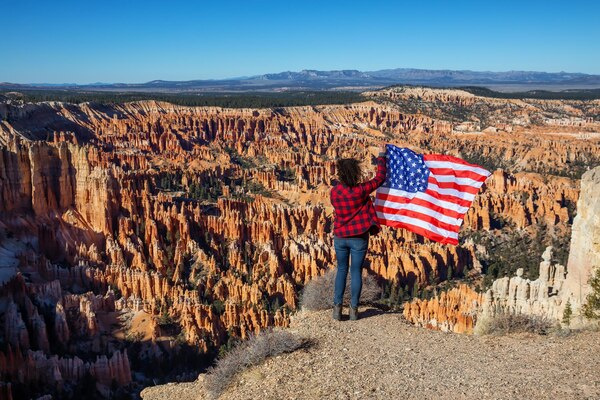
From glacier-carved valleys to steaming geyser basins, America’s national parks are best understood not just at overlooks, but along the roads that slice through them. For first‑time visitors, a smartly chosen scenic drive can offer a powerful “highlights reel” of a park in a single day—while leaving room to step out, walk a trail, and actually feel the place.
Below are some of the most rewarding routes for newcomers, with what you’ll see, how long to plan, and simple tips to avoid crowds and stress.
1. Going‑to‑the‑Sun Road – Glacier National Park, Montana
Few drives on Earth are as dramatic as this 50‑mile engineering marvel that clings to the spine of the Rockies.
Why it’s special
You pass from dense cedar forest and glacial lakes up into high alpine terrain, crossing the Continental Divide at Logan Pass. Waterfalls tumble down cliffs; mountain goats and bighorn sheep often appear right near the road.
Key highlights
- Lake McDonald and its colorful stones near Apgar
- Logan Pass Visitor Center and the Hidden Lake Overlook trail
- Weeping Wall and the Garden Wall cliffs
- St. Mary Lake’s Wild Goose Island overlook
Practical tips for first‑timers
- Season: Typically late June–September, depending on snow. Early summer offers snow‑capped peaks; late summer has more open trails.
- Time: Plan at least half a day, a full day if you want to hike.
- Logistics: A vehicle reservation system is often required in peak season—check Glacier NP’s official website well ahead of time.
- Driving: There are sheer drop‑offs and narrow stretches; nervous drivers may prefer shuttles or guided tours.
2. Zion–Mount Carmel Highway & Zion Canyon Scenic Drive – Zion National Park, Utah
Zion showcases red‑rock canyon country at its most accessible.
Why it’s special
These two connected roads show you both the “top” and “inside” of Zion’s canyons. You’ll drive through a historic tunnel, past slickrock formations, then descend into a narrow valley walled by towering sandstone cliffs.
Key highlights
- Zion–Mount Carmel Tunnel and the dramatic exit views
- Checkerboard Mesa’s unusual cross‑hatched rock
- Court of the Patriarchs viewpoint in Zion Canyon
- Temple of Sinawava and the start of the Narrows
Practical tips for first‑timers
- Access: Private cars are restricted in Zion Canyon most of the high season; you’ll use the park shuttle system. The Zion–Mount Carmel Highway remains open to cars.
- Season: Spring and fall have milder temperatures; summer can be extremely hot and crowded.
- Time: Half a day for viewpoints and short walks; a full day if you add a hike like Canyon Overlook or Riverside Walk.
- Parking: Lots fill early—arrive before 8 a.m. if possible.
3. Tioga Road & Yosemite Valley Loop – Yosemite National Park, California
Yosemite offers two distinct driving experiences: the iconic valley and the high‑country traverse of Tioga Road.
Why it’s special
The valley drive delivers those classic granite‑and‑waterfall views, while Tioga Road takes you past alpine lakes and meadows that feel like a different park altogether.
Key highlights
- Yosemite Valley Loop Road: El Capitan, Bridalveil Fall, Sentinel Bridge view of Half Dome
- Tunnel View: The definitive postcard panorama
- Tioga Road: Tenaya Lake, Olmsted Point, Tuolumne Meadows
Practical tips for first‑timers
- Season: Yosemite Valley is open year‑round (chains may be required in winter); Tioga Road usually opens late spring/early summer and closes by early winter.
- Reservations: At times the park requires day‑use reservations—check before you go.
- Time: One full day for the valley; another for Tioga Road if it’s open.
- Crowd strategy: Visit major viewpoints early morning or near sunset; midday is busiest.
4. Grand Loop Road – Yellowstone National Park, Wyoming/Montana/Idaho
Yellowstone’s main roads form a figure‑eight known as the Grand Loop, connecting geysers, canyons, and wildlife‑rich valleys.
Why it’s special
This is one of the best park drives for variety. On a single day, you can see geysers erupt, rivers plunge into a canyon, and herds of bison grazing in open meadows.
Key highlights
- Old Faithful and the Upper Geyser Basin boardwalks
- Grand Prismatic Spring overlook (via Fairy Falls trail area)
- Grand Canyon of the Yellowstone: Artist Point and Brink of Lower Falls trail
- Hayden Valley and Lamar Valley for wildlife viewing
Practical tips for first‑timers
- Season: Roads (other than the North Entrance–Cooke City segment) are generally open late April–early November.
- Time: The full loop is too much for one relaxed day. Focus on one “lobe” of the figure‑eight at a time.
- Wildlife: Expect bison “traffic jams” and drive slowly, especially at dawn and dusk.
- Safety: Stay on boardwalks in thermal areas; the ground is extremely fragile and dangerous.
5. Skyline Drive – Shenandoah National Park, Virginia
This 105‑mile road follows the crest of the Blue Ridge Mountains, with frequent overlooks into the Shenandoah Valley.
Why it’s special
It’s an easy, gentle introduction to national parks if you’re based on the East Coast. The rhythm is simple: drive a few miles, pull into an overlook, repeat.
Key highlights
- Dozens of viewpoints, including Stony Man and Thorofare Mountain overlooks
- Short trails right off the road: Stony Man, Hawksbill, and Dark Hollow Falls
- Spring wildflowers and fall foliage
Practical tips for first‑timers
- Season: Open year‑round, but sections close temporarily during ice and snow. Autumn is especially popular.
- Time: A full end‑to‑end drive can take a full day with stops; consider focusing on a shorter segment for a first visit.
- Speed: The limit is 35 mph; factor that into your schedule.
- Bears: Black bears are common. Keep a safe distance and store food properly.
6. Trail Ridge Road – Rocky Mountain National Park, Colorado
America’s highest continuous paved road crosses the Continental Divide, climbing above treeline into stark alpine tundra.
Why it’s special
You’re driving at elevations over 12,000 feet, with sweeping views of mountain peaks and valleys that can feel almost otherworldly.
Key highlights
- Many Parks Curve and Forest Canyon Overlook
- Alpine Visitor Center
- Tundra Communities Trail for a short high‑elevation walk
Practical tips for first‑timers
- Season: Typically open late May to October, depending on snow. Weather can change rapidly, even in summer.
- Time: Half a day for an out‑and‑back; more if you add hikes in the lower elevations.
- Altitude: Take it slow, drink water, and notice any signs of altitude sickness.
- Reservations: A timed‑entry system is often in effect; check ahead.
7. Desert View Drive – Grand Canyon National Park (South Rim), Arizona
This eastern section of the South Rim offers some of the most expansive canyon views, often with fewer crowds than the central village area.
Why it’s special
The drive strings together viewpoints that reveal different angles, colors, and depths of the canyon and the Colorado River.
Key highlights
- Grandview Point and Moran Point for sweeping vistas
- Lipan Point, excellent at sunrise and sunset
- Desert View Watchtower, with its stone tower and historic murals
Practical tips for first‑timers
- Season: The South Rim is open year‑round. Summer is hot and crowded; winter can bring snow and ice.
- Time: Half a day is enough for all main overlooks and some short walks along the rim.
- Safety: Stay behind railings and keep children close; the rim has exposed drop‑offs.
8. Crater Lake Rim Drive – Crater Lake National Park, Oregon
A loop around the rim of a flooded volcanic caldera showcases a lake so blue it seems unreal.
Why it’s special
You circle an almost perfectly round, deeply blue lake ringed by cliffs and volcanic formations, with constantly shifting perspectives.
Key highlights
- Watchman Overlook and trail for classic lake views
- Discovery Point and Cloudcap Overlook
- Cleetwood Cove trail (when open) for lake access and boat tours
Practical tips for first‑timers
- Season: The full rim drive is usually open July–October; snow lingers late.
- Time: About half a day for the loop with stops; longer with hikes.
- Weather: Even in summer, it can be cool and windy on the rim—bring layers.
9. Park Loop Road – Acadia National Park, Maine
Acadia’s main scenic drive offers rocky Atlantic coastline, forested hills, and access to short, rewarding hikes.
Why it’s special
You can experience ocean surf pounding granite cliffs, quiet lakes, and mountain summits all via one loop road.
Key highlights
- Sand Beach and Thunder Hole along the coast
- Otter Cliff and multiple ocean viewpoints
- Jordan Pond area with views of the Bubbles
- Access road to Cadillac Mountain (reservation system may apply)
Practical tips for first‑timers
- Season: Peak season is late spring through fall; winter access is more limited.
- Time: A full day lets you combine the drive with short hikes and a stop at Jordan Pond.
- Reservations: Cadillac Mountain summit access often requires a timed‑entry reservation.
10. Going Coastal: Olympic National Park’s Tri‑Zone Experience – Washington
Olympic doesn’t have one single through‑road; instead, Highway 101 and spur roads give you access to three very different ecosystems.
Why it’s special
In one day you can visit moss‑draped rainforest, wild Pacific beaches, and snow‑capped mountains.
Key highlights
- Hurricane Ridge Road: panoramic mountain and sea views
- Hoh Rain Forest: short loop trails among giant, moss‑covered trees
- Rialto Beach or Ruby Beach: sea stacks, tide pools, and driftwood‑strewn shore
Practical tips for first‑timers
- Season: Hurricane Ridge is highly weather‑dependent; check current conditions. The coast and rainforest can be wet year‑round.
- Time: A very long day to hit all three zones; better as a two‑ or three‑day trip.
- Gear: Waterproof layers and sturdy footwear make this much more enjoyable.
General Tips for First‑Time Scenic‑Route Travelers
1. Start early and move opposite the crowds
Sunrise starts often mean easier parking, cooler temperatures, and quieter viewpoints. In loop parks, going counter to the typical tour‑bus flow can help.
2. Mix driving with short walks
Even a 10–30 minute trail can transform the experience:
- Boardwalks near geyser basins in Yellowstone
- Rim trails at the Grand Canyon
- Half‑mile overlooks in Glacier and Zion
You’ll remember the stops more than the miles.
3. Watch the fuel, food, and restroom gaps
Services can be sparse inside parks:
- Fill your gas tank before entering.
- Carry water and snacks, especially in desert or high‑altitude parks.
- Use restrooms when you see them; the next may be many miles away.
4. Respect wildlife and the landscape
Stay in your vehicle when animals are close, never feed them, and stay on designated paths to protect both yourself and the park.
5. Check conditions and rules on the official park websites
Seasonal closures, reservation systems, and construction projects can significantly change plans. Always verify:
- Road openings and closures
- Weather and fire conditions
- Shuttle requirements and timed‑entry systems
For a first national park road trip, you don’t need to see everything. Choose one or two parks, focus on a single scenic route, and give yourself time to stop, walk, and absorb the view. The goal isn’t to collect miles—it’s to collect a sense of place that will keep you coming back.